Japanese sweets

Sponsored Links
Wagashi Dialogues

What kind of sweetness crystallizes only if you wait? Chaos Roundtable: Wild

They boil agar and sugar.They pour it, then wait.For days. For sparkle. For silence.We tried to describe kingyokutō.Inst...
Wagashi Dialogues

“Can sweetness hold still long enough to become a gem?” Chaos Roundtable: Wild

We tried to explain kingyokutō.A candy made from agar, sugar, and time.It’s hard on the outside, soft inside, and clear ...
Wagashi Dialogues

“Wasanbon in tea ceremony” Chaos Roundtable: Wild

We thought wasanbon was just a delicate sugar.Then we realized it holds centuries of stillness, refinement, and restrain...
Sponsored Links
Wagashi Dialogues

“How do you shape water into structure?” Chaos Roundtable: Wild

They harvest seaweed.They freeze it, thaw it, dry it.Somehow, it becomes kanten.We tried to explain this.But instead, we...
Japanese Culinary Traditions

The Art of Sweetness: Wasanbon and Japan’s Handmade Sugar Tradition

Conclusion:Wasanbon isn’t just sugar—it’s a symbol of Japan’s dedication to harmony, craftsmanship, and seasonal mindful...
Japanese Culinary Traditions

Wasanbon: Japan’s Most Delicate Sugar, and the Culture Behind Its Sweetness

Conclusion:Wasanbon is not just sugar—it is a living symbol of Japanese refinement, seasonal awareness, and craftsmanshi...
Japanese Culinary Traditions

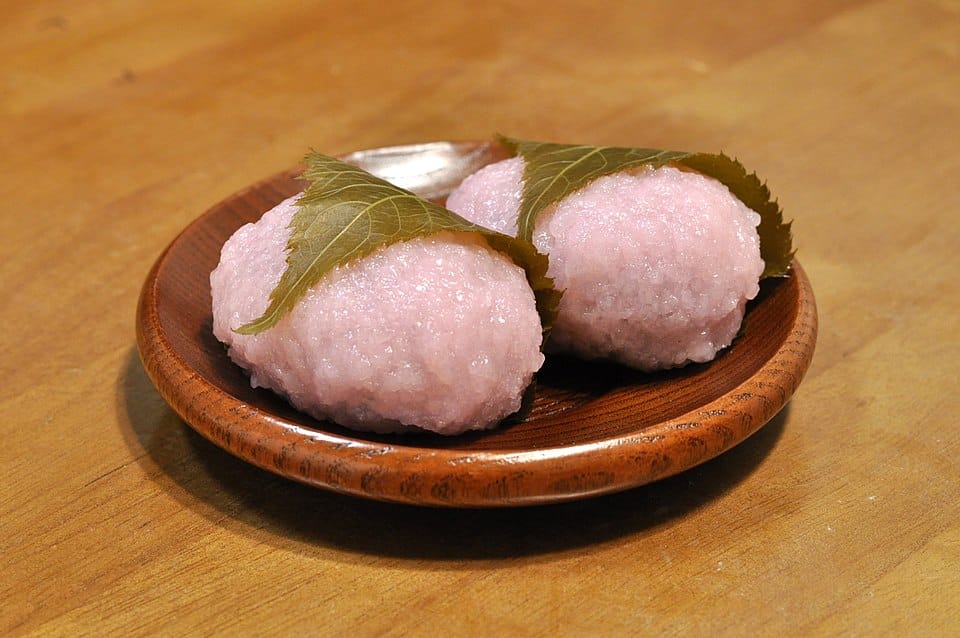
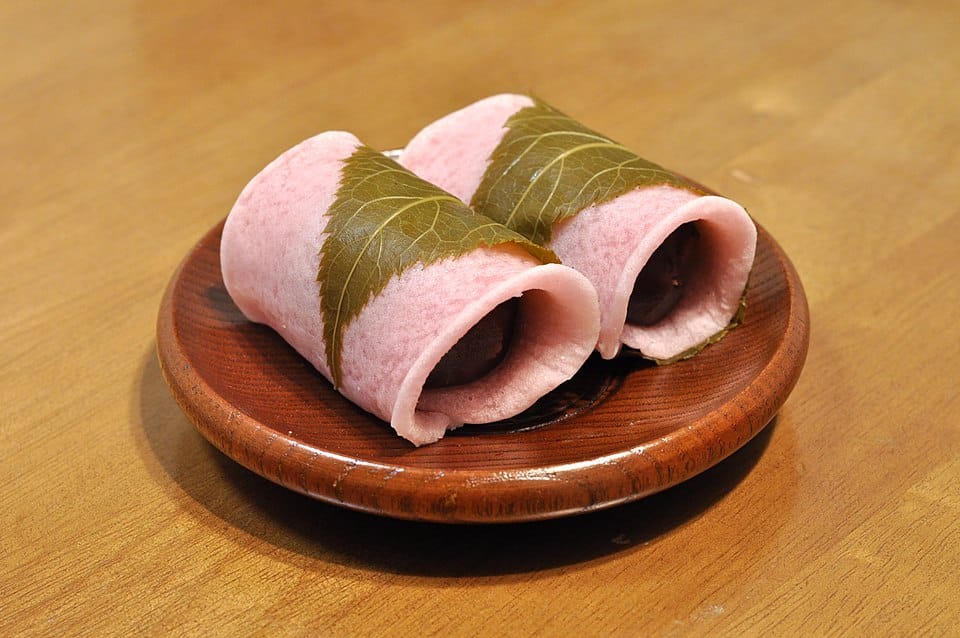
The Hidden Craft of Sakura Mochi: How Japanese Tradition Wraps Beauty in a Leaf

Sakura Mochi isn’t just a pretty pink treat—it’s a handmade expression of Japanese craftsmanship and respect for the sea...
Japanese Culinary Traditions

Why Sakura Mochi Tastes Different in Tokyo and Kyoto: A Sweet Journey Through Regional Japan

Same name, different taste—Sakura Mochi is a tale of two traditions.When you hear “Sakura Mochi,” you might picture a pi...
Japanese Culinary Traditions

Sakura Mochi: A Seasonal Sweet That Wraps History in a Leaf

Sakura Mochi is more than a dessert—it's a symbol of spring, heritage, and gentle transience.Sakura Mochi may look like ...
Wagashi Dialogues

“Can clarity be tasted?” Chaos Roundtable: Wild

Kanten is made from seaweed, but it’s clear as glass.It has no taste—yet it carries everything.We tried to explain this ...
Sponsored Links