cultural background

Sponsored Links
Japanese Culinary Traditions

The Art of Sweetness: Wasanbon and Japan’s Handmade Sugar Tradition

Conclusion:Wasanbon isn’t just sugar—it’s a symbol of Japan’s dedication to harmony, craftsmanship, and seasonal mindful...
Japanese Culinary Traditions

Wasanbon: Japan’s Most Delicate Sugar, and the Culture Behind Its Sweetness

Conclusion:Wasanbon is not just sugar—it is a living symbol of Japanese refinement, seasonal awareness, and craftsmanshi...
Japanese Culinary Traditions

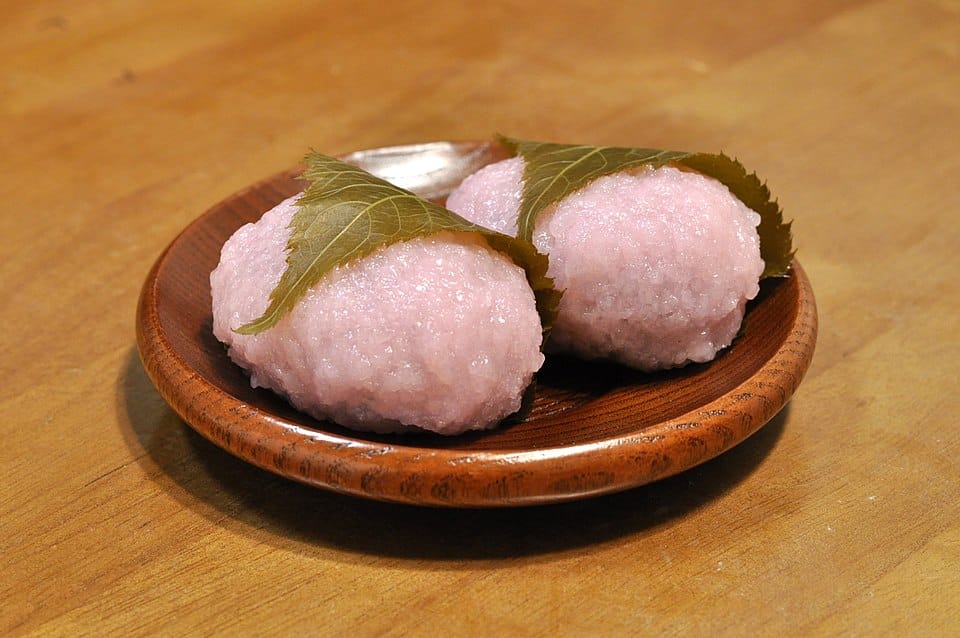
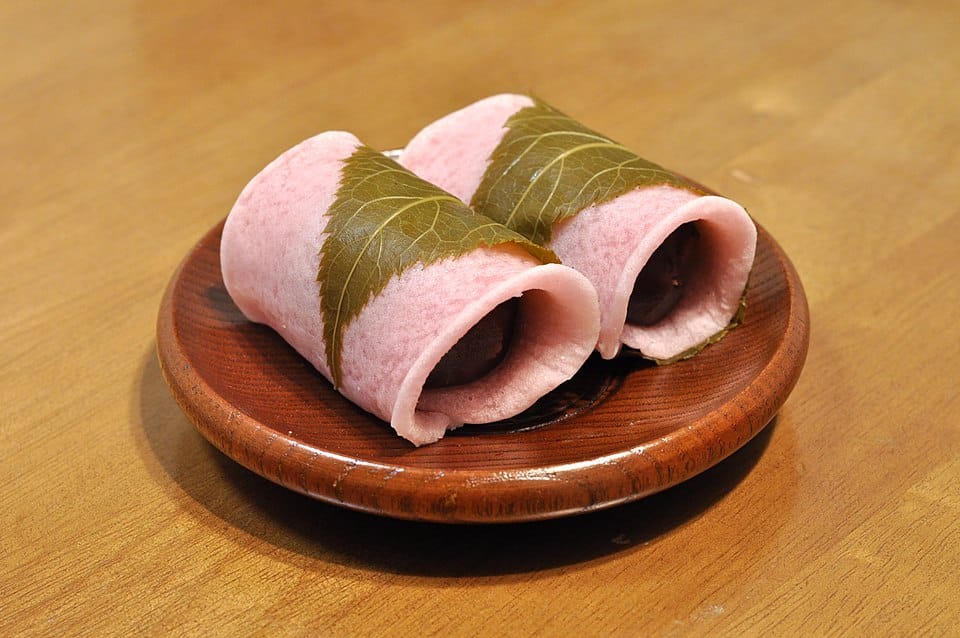
The Hidden Craft of Sakura Mochi: How Japanese Tradition Wraps Beauty in a Leaf

Sakura Mochi isn’t just a pretty pink treat—it’s a handmade expression of Japanese craftsmanship and respect for the sea...
Sponsored Links
Japanese Culinary Traditions

Why Sakura Mochi Tastes Different in Tokyo and Kyoto: A Sweet Journey Through Regional Japan

Same name, different taste—Sakura Mochi is a tale of two traditions.When you hear “Sakura Mochi,” you might picture a pi...
Japanese Culinary Traditions

Sakura Mochi: A Seasonal Sweet That Wraps History in a Leaf

Sakura Mochi is more than a dessert—it's a symbol of spring, heritage, and gentle transience.Sakura Mochi may look like ...
Wagashi Dialogues

“When yokan travels, it changes—why do sweets carry dialects?” Wagashi Dialogues

Yokan looks deceptively consistent—rectangular, muted, dignified. But across Japan, this sweet reveals subtle accents. F...
Wagashi Dialogues

“Yokan isn’t just dense—it’s historical memory in edible form.” Wagashi Dialogues

It sits heavy in your hand, like a relic. Yokan is more than a dessert—it’s a shape of time itself. Once offered to monk...
Wagashi Dialogues

“Is Ohagi a sweet—or a seasonal offering for the souls we miss?” Wagashi Dialogues

Ohagi is soft, sweet, and made with love—but its purpose goes beyond flavor.It appears twice a year, during the equinoxe...
Wagashi Dialogues

Kuzumochi East vs West: How We Taste and Enjoy Them【Wagashi Dialogues】

Two kuzumochi. Two textures.One clings softly to kinako and kuromitsu; the other shines clear and melts like spring wate...
Wagashi Dialogues

Kuzumochi East vs West: Same Name, Different Sweet 【Wagashi Dialogues】

In Japan, “kuzumochi” means two completely different things.Tokyo serves fermented starch. Kyoto serves pure mountain ro...
Sponsored Links