- Same name, different taste—Sakura Mochi is a tale of two traditions.
- What Makes These Two Styles So Different?
- Where (and How) You Might Encounter Each Type
- You Don’t Have to Choose Just One
- Why Does One Sweet Have Two Lives?
- Real Distribution & Historical Timeline
- Personal Encounters and Regional Confusion
- What Should You Try Overseas?
- Two Mochi, One Heart
- 🔗 References & Sources
Same name, different taste—Sakura Mochi is a tale of two traditions.
When you hear “Sakura Mochi,” you might picture a pink rice cake wrapped in a salty cherry leaf. But in Japan, that simple image can spark debate.
Are you thinking of the Kanto style? Or the Kansai one?
In this article, we’ll explore how a beloved seasonal sweet split into two distinct regional versions—each with its own texture, flavor, and cultural story.
■Sakuramochi (Tokyo-style / Chōmeiji-style): a rolled crepe-like pink mochi filled with red bean paste, wrapped in a pickled cherry leaf.
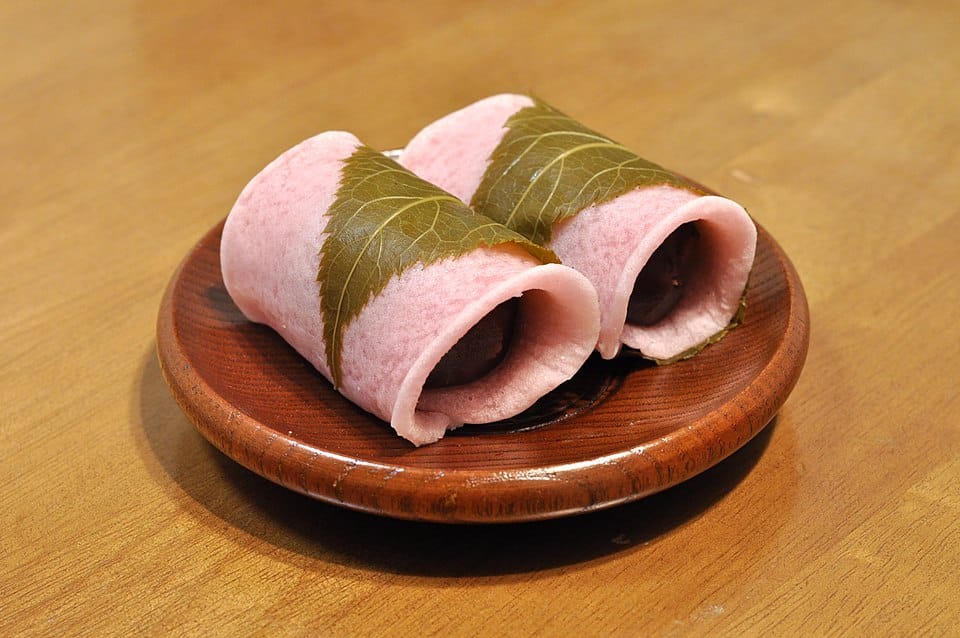
Image: Kyouhakusei shougai, CC0 1.0, via Wikimedia Commons
Source: Sakuramochi003 – Wikimedia Commons
■Sakuramochi (Kyoto-style / Dōmyōji-style): a pink glutinous rice ball filled with red bean paste, also wrapped in a cherry leaf.
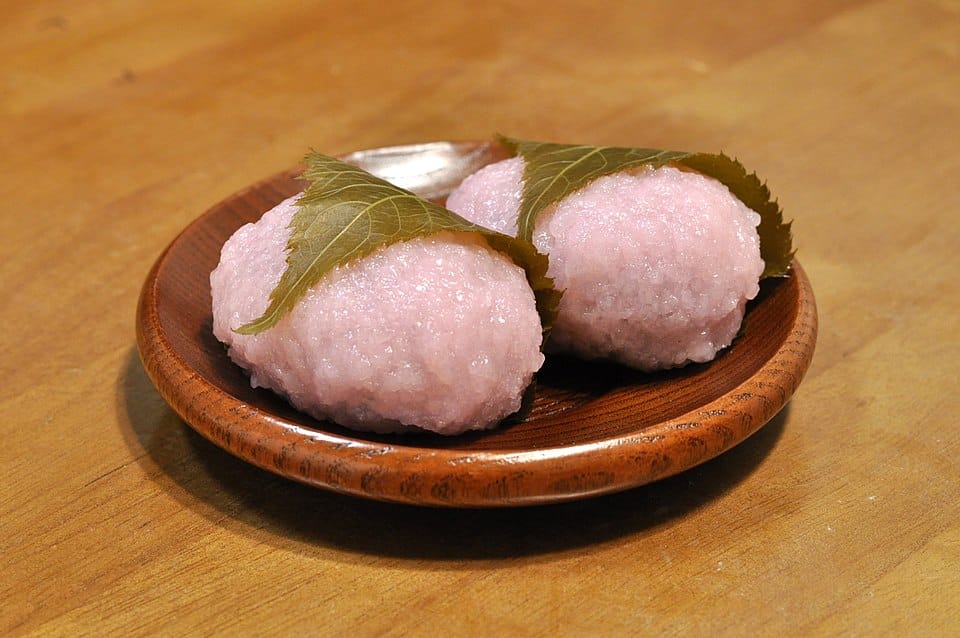
Image: Kyouhakusei shougai, CC0 1.0, via Wikimedia Commons
Source: Dōmyōji Sakuramochi – Wikimedia Commons
What Makes These Two Styles So Different?
1. The Shared Core
Despite the differences, both versions of Sakura Mochi consist of:
- A pink-colored rice component
- A sweet red bean paste filling
- A salt-pickled cherry blossom leaf
But how those parts come together differs greatly between east and west.
2. Kanto Style (Chomeiji Sakura Mochi) – Tokyo and Eastern Japan
- Appearance: Looks like a pink crepe roll
- Main ingredient: A thin, wheat-based crepe made with shiratamako or wheat flour
- Texture: Smooth, slightly chewy, like a soft pancake
- Origin: Invented in 1717 by a gatekeeper at Chomeiji Temple in Tokyo’s Sumida district. He used fallen cherry leaves to create a spring treat for hanami (cherry blossom viewing) visitors.
📍 Cultural flavor: Often associated with Edo-era elegance and the refined aesthetics of Tokyo.
3. Kansai Style (Domyoji Sakura Mochi) – Kyoto, Osaka, and Western Japan
- Appearance: Round, plump, grainy surface
- Main ingredient: Domyoji-ko (steamed and dried glutinous rice flour)
- Texture: Grainy, chewy, more rustic
- Origin: Though older than the Kanto version in rice form, its current sweet form was popularized later in Kyoto.
📍 Cultural flavor: Seen as heartier, closer to nature, and associated with temple offerings and homemade traditions.
Where (and How) You Might Encounter Each Type
| Type | Found in | Texture | Flavor Notes |
|---|---|---|---|
| Kanto (Chomeiji) | Tokyo, eastern Japan | Smooth & delicate | Floral, light, pancake-like |
| Kansai (Domyoji) | Kyoto, Osaka, western Japan | Grainy & chewy | Earthy, rice-forward, rustic |
At department store food halls (depachika) in Japan, both types are often available. However, if you visit a traditional shop in Tokyo or Kyoto, you’ll likely only find the local version.
Even convenience stores may carry Kansai-style more frequently, reflecting its wider spread across Japan today.
You Don’t Have to Choose Just One
Some people grow up thinking “their” version is the only one. Others are surprised when they discover the other for the first time. But here’s the good news:
You’re not wrong—just regionally correct.
Whether you love the crepe-like elegance of Tokyo’s version or the wholesome graininess of Kyoto’s, each Sakura Mochi carries a piece of Japan’s edible geography.
Why Does One Sweet Have Two Lives?
Japan’s love for seasonal food isn’t just about taste—it’s about memory, identity, and place. The regional split in Sakura Mochi reflects:
- Geographic pride: Local foods shape local identity. For many, their preferred style is “home.”
- Tradition vs. innovation: Kanto’s version began as a temple street snack; Kansai’s is rooted in older rice preparation methods.
- Cultural duality: Japan often celebrates opposites (refinement vs. earthiness, smooth vs. textured) rather than unifying them.
Real Distribution & Historical Timeline
A recent poll by Weathernews Japan revealed:
- Around 65% of respondents nationwide prefer Kansai-style (Domyoji), even in eastern Japan.
- Kanto-style (Chomeiji) is now a minority style, even in Tokyo—but still culturally iconic.
Historical Snapshot
| Year | Milestone |
|---|---|
| 1717 | Chomeiji style born in Edo (now Tokyo) |
| ~1800s | Domyoji-ko developed in temples in Nara and Osaka |
| Modern era | Western-style spreads nationally through mass production |
Source: Wagashi-Biz, HugKum (Shogakukan), Weathernews
Personal Encounters and Regional Confusion
- One note blogger from Nagoya recalls: “I asked for Sakura Mochi and got something I didn’t recognize. I thought they made a mistake!”
- Another food writer describes trying both: “Chomeiji feels elegant, like wearing a kimono. Domyoji feels like family—warm, filling, and nostalgic.”
These reactions show that the divide is emotional, not just culinary.
What Should You Try Overseas?
Most overseas Japanese groceries stock the Kansai-style version due to its popularity and easier preservation.
However, for the curious:
- Try both styles if possible, even by making them at home.
- Many recipe blogs (like Veggiekins or Just One Cookbook) offer instructions for each version.
- Look for “sakura mochi” vs. “chomeiji mochi” labeling in Japanese stores—some include images.
Two Mochi, One Heart
Sakura Mochi is a sweet you can taste, but also one you can feel—especially when you realize it’s not just about rice and beans.
It’s about geography, history, and how Japan tells the same story in different dialects. So next time you enjoy one, know you’re not just eating a dessert—
you’re taking a bite out of two centuries of culture.