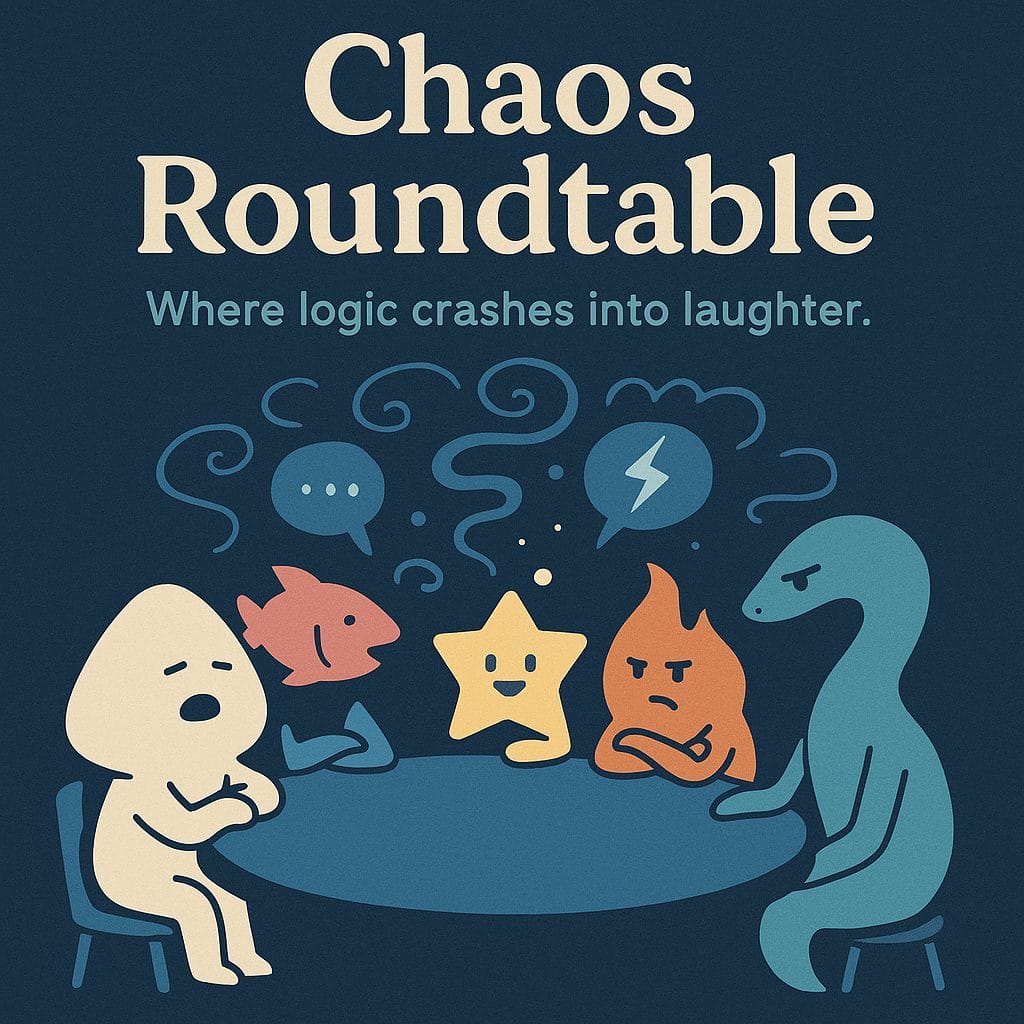
Characters in this Dialogue
- 🍙 Mochi: Free-spirited instigator who finds humor in existential absurdity
- 🌀 Eldon: Reflective philosopher, abstracts every system into meaning
- 🌸 Sakura: Casual realist with sharp wit and relatable sass
- 💫 Milla: Gentle empath who questions the emotional cost of structure
- 🔥 Blaze: Pragmatic visionary always ready to pitch the premium plan
- 🐍 Thorne: Cynical observer who sees dystopia as inevitability
🟠 Section 1: Why would memories cost money?
🌸 Sakura:
“So if I miss a payment, I forget my ex? Huh. Actually… that part sounds kinda useful.”
🔥 Blaze:
“From a market standpoint? Memory storage is bandwidth. If the brain’s digitized, someone’s going to monetize the cloud. Premium memory, premium cost.”
💫 Milla:
“But… memories are us. Charging for them feels like charging rent on your own soul.”
🐍 Thorne:
“Everything becomes subscription eventually. Why not your nostalgia? Forget for free, remember for a fee.”
🍙 Mochi:
“Imagine opening your mail and getting a bill like, ‘To retain your childhood birthday party, please submit $9.99 by the 5th.’ I’d be broke by Tuesday.”
🌀 Eldon:
“The moment remembering becomes a transaction, the self splinters into data packets. Identity becomes tiered.”
🟠 Section 2: How would the system work?
🐍 Thorne:
“They’d enforce memory audits too. ‘You’ve accessed that beach trip 12 times—additional charges apply.’”
🍙 Mochi:
“‘Your laughter file is corrupted. Would you like to restore it for $3.99?’ This is actual sci-fi horror.”
🌸 Sakura:
“I can see it now: ‘Memory Monday deals! Buy 2 memories, get 1 regret free.’”
🔥 Blaze:
“Basic plan: 100 memories/month. Upgrade for HD recall, multisensory access, or memory backups. Corporate bundles with family discounts.”
💫 Milla:
“What happens if I can’t afford to remember someone I love?”
🌀 Eldon:
“Forgetfulness becomes the default. Only the economically privileged can afford remembrance.”
🟠 Section 3: What memories would people prioritize?
🔥 Blaze:
“Data shows people retain trauma, joy, and firsts. Expect algorithm-driven recommendations: ‘Would you like to keep that awkward dinner? Most users deleted it.’”
🌸 Sakura:
“Someone’s grandma gonna pirate memories off a friend’s cloud. ‘Don’t tell anyone, but I borrowed your wedding day.’”
💫 Milla:
“I’d keep the soft moments—rainy mornings, quiet laughter. But maybe those aren’t profitable.”
🍙 Mochi:
“People would save breakups, victories, first kisses… or skip all the boring in-between. Life would get… oddly curated.”
🐍 Thorne:
“Profitable or not, your choices would be shaped by price. You may want to remember your cat—but your plan only covers dogs.”
🌀 Eldon:
“Personal history becomes a catalog—curated, editable, monetized. Authenticity decays under market logic.”
🟠 Section 4: Who controls memory, and what’s left behind?
🔥 Blaze:
“There’ll be memory loans. Default, and you get repossessed flashbacks. Collections agents calling: ‘Remember us?’”
🍙 Mochi:
“So the new class divide is: those who remember fully… and those who rent their pasts.”
💫 Milla:
“If a memory costs money, do I still own it? Or am I just borrowing pieces of myself?”
🌸 Sakura:
“I’m just saying—if I ever forget my PIN but remember my prom, the system’s rigged.”
🐍 Thorne:
“The moment you can’t afford to remember, someone else decides who you were.”
🌀 Eldon:
“When forgetfulness is engineered, absence is no longer loss—it’s taxation. We don’t forget naturally. We forget because we’re billed to.”
Summary
In this surreal yet alarmingly plausible dialogue, the group explores a world where memories are no longer free—but billed monthly like a subscription. What begins as a humorous take on forgetting exes or pirating weddings evolves into a deeper critique of identity, privilege, and market control. Each character approaches memory’s monetization from a unique angle—Blaze envisions business models, Milla grieves emotional consequences, while Thorne casually accepts the dystopia. Eldon threads it all together, pointing to the erosion of authentic selfhood under transactional logic. In a world where even nostalgia is taxed, the cost of remembering might be forgetting who we are.