The tea whisk doesn’t just stir matcha.
It stirs air, attention, and generations of hands.
In the quiet room of tea, even the whisk has a soul.
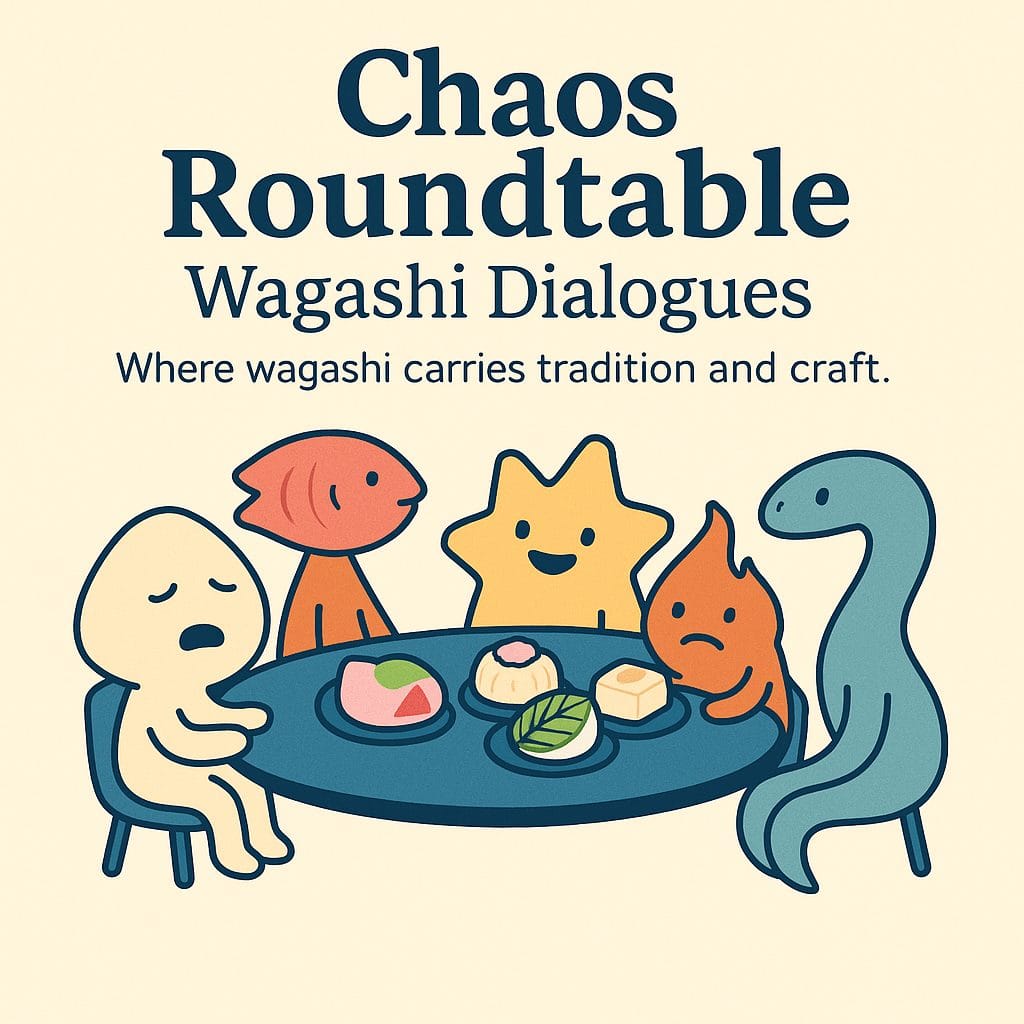
🧑🎤 Characters
- 🍙 Mochi – Emotionally intuitive and poetic. Finds wonder in small rituals.
- 💫 Milla – Spiritually sensitive and deeply empathetic. Attuned to textures, moods, and hidden beauty.
- 🌸 Sakura – Graceful and traditional. Deeply connected to seasonal customs and tea philosophy.
- 🔥 Blaze – Precise and logical. Appreciates craft and timing.
- 🐟 Salmo – Irreverent yet insightful. Brings contrast and hidden sharpness.
- 🌀 Eldon – Measured and observant. Brings historical and structural clarity.
🌿 Section 1: Not Just a Tool
🌸 Sakura: A tea whisk is called chasen in Japanese. It’s made from a single piece of bamboo—carved, split, curled, and dried with incredible care.
🌀 Eldon: There are over a dozen types. The number of prongs, the tightness of the curl—all subtly alter the texture of the tea.
💫 Milla: It’s like the tea’s personality changes depending on the whisk’s mood.
🔥 Blaze: Or the hand holding it. Some whisks are stiff for thick tea, others soft for frothy lightness.
🍙 Mochi: So even before tasting the tea… you’re already in a conversation with the tool?
🐟 Salmo: Welcome to the quietest argument in history.
🪵 Section 2: Carving Attention
🌀 Eldon: The best whisks come from Takayama in Nara. The craft is 500 years old, and many families have done it for generations.
🌸 Sakura: It’s a craft of listening. The bamboo must be harvested in winter, cured for years, then split with the rhythm of breath.
💫 Milla: That’s so beautiful. As if the whisk remembers the season it was cut from.
🔥 Blaze: And yet when used, it vanishes into motion. A blur of practice.
🍙 Mochi: I want to believe the tea can feel the calm of that breath.
🐟 Salmo: Maybe that’s why it’s called wabi-sabi. You don’t notice what’s perfect.
🍡 Section 3: The Whisk and the Sweet
🌸 Sakura: In formal tea ceremonies, wagashi is served before the tea. The sweetness prepares the palate for bitterness.
🌀 Eldon: But more than that—it sets the mood. The shape, color, and texture of the sweet inform how you whisk.
💫 Milla: So you’re not just pairing flavors—you’re pairing emotions?
🔥 Blaze: It’s a choreography. The sweet lands, the silence deepens, the whisk lifts.
🍙 Mochi: Suddenly the air itself tastes like a poem.
🐟 Salmo: Tea: the only performance where the audience eats the opening act.
🕊️ Section 4: Impermanence in Every Swirl
🌀 Eldon: Tea whisks don’t last long. With time, the tines curl inward and weaken. They’re eventually retired.
🌸 Sakura: But never tossed. They’re dried and sometimes displayed in the tea room as witnesses of seasons.
💫 Milla: I love that. Even broken, the whisk stays to remember.
🔥 Blaze: It’s not about durability. It’s about intention—every use matters.
🍙 Mochi: Then the sweet, the tea, the whisk… they’re all temporary on purpose?
🐟 Salmo: Temporary, but unforgettable. Like a bow in bamboo.
🌀 Summary (Eldon-style)
The tea whisk (chasen) is more than a tool—it’s an heirloom carved from memory, motion, and breath. This dialogue explores its origins in bamboo craftsmanship, its regional history, and its role in choreographing silence in the tea ceremony. Tied to wagashi by mood and timing, the chasen represents the gentle philosophy that permeates Japanese tea culture: transience, elegance, and deliberate grace.