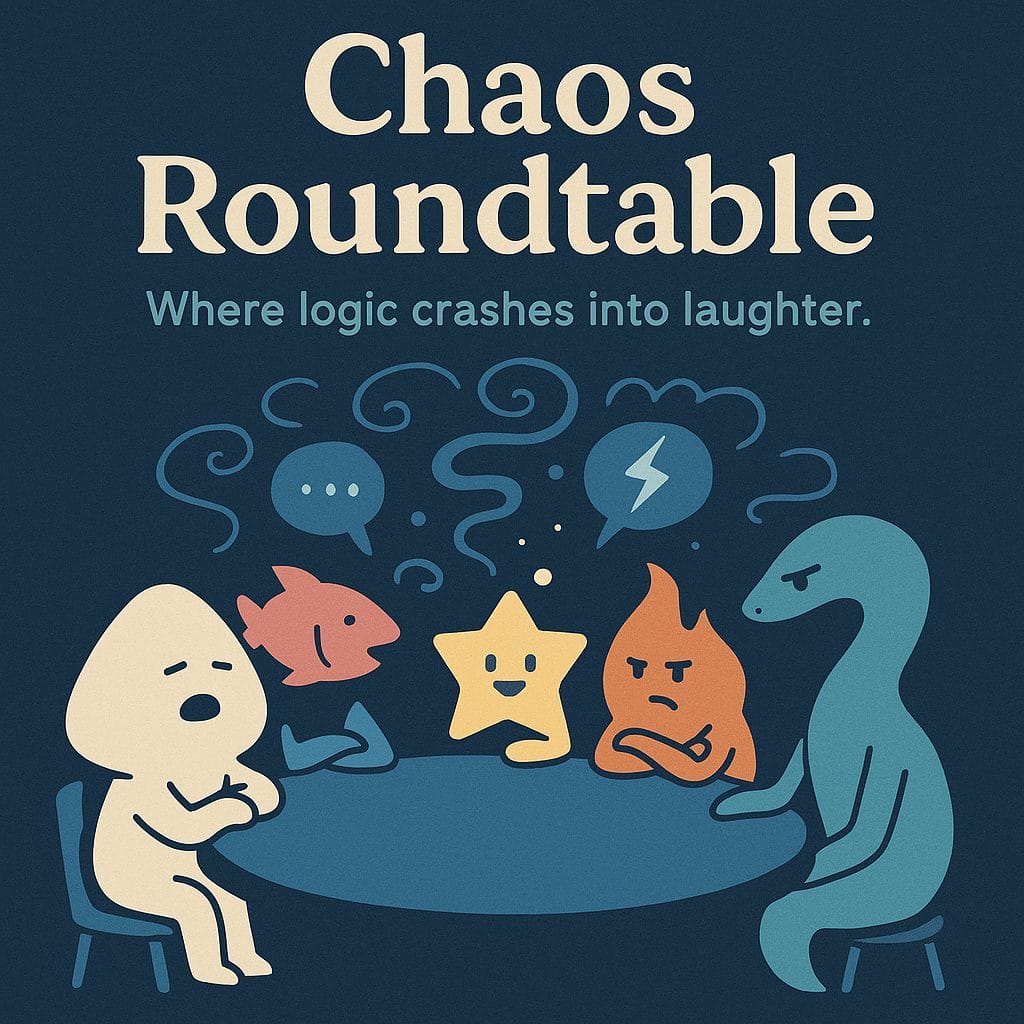
🧑🤝🧑 Character Introduction
- 🍙 Mochi – Grew up on manga. Believes in the power of a punch and the gospel of Goku.
- 🌀 Eldon – Analyzes myth structures and ritual logic. Thinks in archetypes and timing.
- 💫 Milla – Feels manga in color and rhythm. Remembers chapters like songs.
- 🔥 Blaze – Treats manga as myth-powered IP. Understands narrative through market cycles.
- 🐍 Thorne – Skeptical of fan worship. Dismantles legends, then ironically quotes them.
Section 1
What’s the difference between a hero and a protagonist?
🍙 Mochi:
Okay but like… when I was ten, I legit thought Goku was real. Not “celebrity” real. Like, planet protector real.
🌀 Eldon:
Not surprising. Mythology thrives in symbolic exaggeration. Manga provides a recurring mythos through serialized ritual.
💫 Milla:
I think it’s the repetition that makes it feel sacred. Same poses, same lines, same fight—until it becomes a prayer.
🔥 Blaze:
And a franchise. Let’s not forget that ritual sells. Collectibility is the new canon.
🐍 Thorne:
So modern gods come with action figures and questionable pacing. Neat.
🍙 Mochi:
Hey, slow pacing is part of the rite. You wait five chapters for one punch because it matters.
🌀 Eldon:
Indeed. Delay reinforces importance. Anticipation is a mechanism of reverence.
Section 2
Can you mythologize something you binge?
💫 Milla:
Sometimes I feel like older manga lived slower—like it wanted to be remembered one week at a time.
🔥 Blaze:
Because that was the model. Weekly serialization created communal rhythm. Myth needs time to ferment.
🐍 Thorne:
Now it’s instant myth. Drop twenty episodes and call it a “season of destiny.”
🍙 Mochi:
But even when I binge, I still pause sometimes. Not because the app lags—but because something hit.
🌀 Eldon:
The sacred is not in the pace but in the pause. Myth persists when meaning demands a breath.
💫 Milla:
Also… soundtracks. The way one panel + one line + one theme song = permanent memory.
🔥 Blaze:
Which means production committees are the new pantheon. Myth is storyboarded, scored, and merchandised.
🐍 Thorne:
Amen. May your gods be well-marketed.
Section 3
What happens when the myth ends—but you don’t?
🍙 Mochi:
When a manga ends, it feels like graduation and heartbreak at the same time. Like your gods moved out.
💫 Milla:
And yet… you keep quoting them. They live in your rhythm. In your catchphrases. In how you yell when no one’s home.
🌀 Eldon:
That is the nature of myth. It internalizes. Becomes personal doctrine, not just collective lore.
🔥 Blaze:
And if it sells well, it reincarnates in spin-offs. Gods don’t die—they rebrand.
🐍 Thorne:
Until they don’t. And then you’re just left holding a shelf of paper and a hole in your adolescence.
🍙 Mochi:
Still… I’d rather grow up with gods I chose than ones that were handed to me.
🌀 Eldon:
Then manga may be less mythology in form, and more myth in function—a personal pantheon, bound in staples.
🌀 Summary (Eldon-style)
In this roundtable, five voices explore whether manga is our modern mythology—reprinted weekly and bound in emotion. Mochi recalls believing in Goku as a literal savior. Eldon frames serialization as sacred repetition. Milla highlights emotional memory, while Blaze dissects the business of gods in paperback. Thorne mocks and mirrors the ritual, revealing how myth survives through both reverence and ridicule. Together they confront what it means to grow up with chosen gods, and how manga becomes not just entertainment—but belief, nostalgia, and personal canon.