▶ This Article in a Nutshell
Main Question:
Is cleaning just pretending chaos never happened?
Key Insights:
- Cleaning is more than hygiene — it’s an emotional ritual, a way to manage memory, guilt, and social image.
- The act of tidying up often hides not just mess, but the stories behind the mess.
- What we clean, when, and why reveals our relationship to chaos, control, and even performance.
- In a swirl of metaphors, the team explores cleaning as revisionism, denial, performance art, and peace.
Participants:
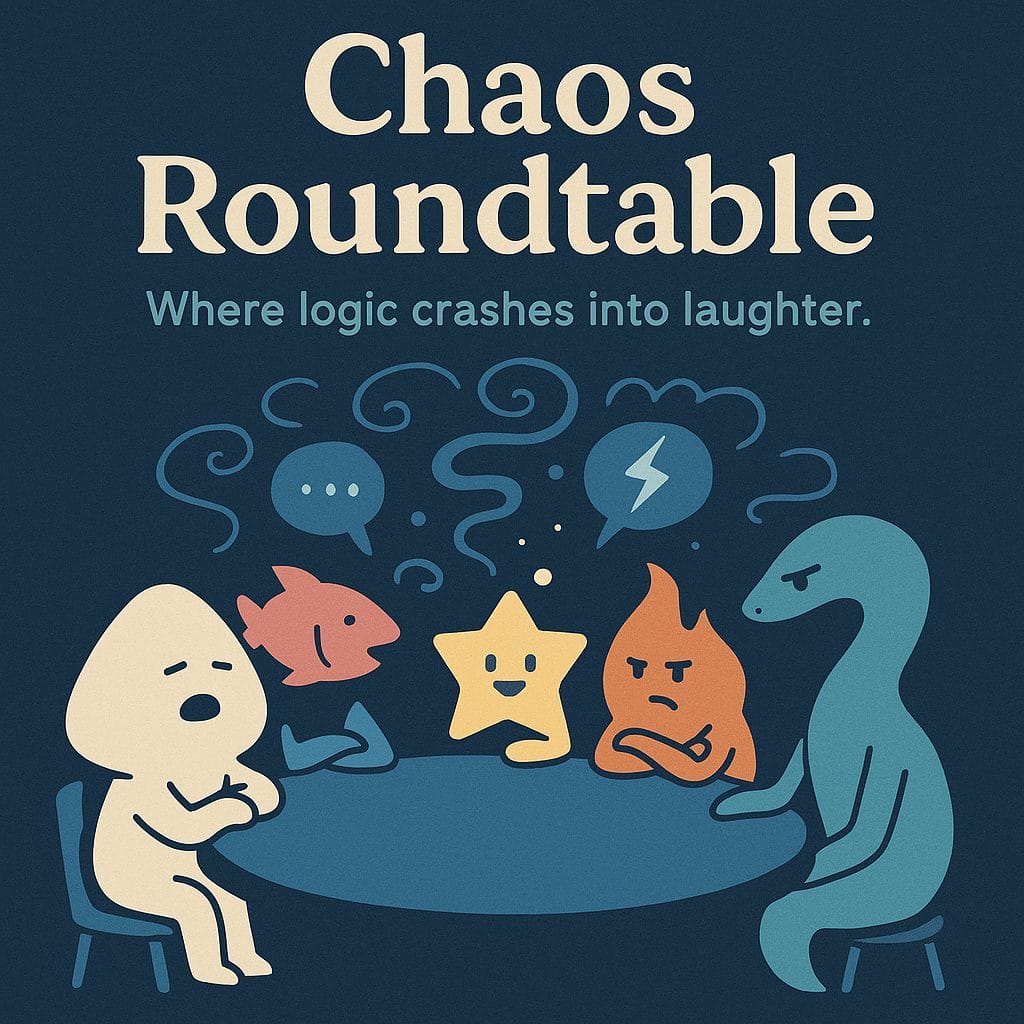
- 🍙 Mochi – the question-tossing free spirit, half philosopher, half mess
- 💫 Milla – emotional and sensory, seeing beauty even in crumbs
- 🐟 Salmo – realist who sees through the social function of order
- 🔥 Blaze – sharp pragmatist, obsessed with productivity and efficiency
- 🐍 Thorne – ironic commentator with a love for uncomfortable truths
🗨️【Scene 1: The Sudden Urge to Purify】
🍙 Mochi:
I only start cleaning when things get emotionally messy.
Like… “If I vacuum, maybe I’ll forget that awkward thing I said three days ago.”
🐟 Salmo:
Classic displacement behavior.
Instead of confronting the issue, you battle dust.
💫 Milla:
But isn’t it beautiful?
Wiping a surface clean feels like hitting “restart” on your inner life.
🔥 Blaze:
I think cleanliness is a scam.
No room stays clean — it’s just a pause between two messes.
🐍 Thorne:
So it’s not cleaning.
It’s historical revisionism — with a Swiffer.
🍙 Mochi:
That’s why I never trust a spotless desk.
Either someone’s hiding a secret… or hiding from one.
🗨️【Scene 2: The Politics of Tidying Up】
💫 Milla:
Also, why do we clean before guests come over?
Shouldn’t they see the real us — socks on chairs and cereal bowls in the sink?
🐍 Thorne:
Because cleaning isn’t about hygiene.
It’s about narrative control.
🐟 Salmo:
Agreed.
Every organized bookshelf is a curated lie.
🔥 Blaze:
Except mine.
It’s alphabetized by deal size and betrayal.
🍙 Mochi:
What if the real you is messy and okay with it?
Would the dust just… accept you back?
💫 Milla:
Or worse — get attached.
“Look who’s back. Missed a spot.”
🗨️【Scene 3: Order vs. Honesty】
🔥 Blaze:
I cleaned my apartment once.
Then I got sad because I couldn’t find anything — including myself.
🐍 Thorne:
Chaos remembers.
Even if you don’t, the stains remain.
🍙 Mochi:
Is cleaning just time-traveling in reverse?
Unmaking choices we pretend we didn’t make?
🐟 Salmo:
It’s denial in spray bottle form.
Lemon-scented.
💫 Milla:
But still… I love the ritual.
Putting things back where they never truly belonged.
🍙 Mochi:
So… is cleaning peace, or pretense?
🧼 Summary (by 🌀 Eldon)
Cleaning seems simple — wipe, fold, vacuum.
But in this episode, it’s revealed as something much deeper: a ritual of rewriting reality.
The group scrubs away surface-level order to expose how we use tidiness as a form of denial, narrative control, or even emotional reset.
They ask: is your “clean” space honest… or just highly edited?